Animation Blog Week 3: The Awkward Teenage Years
𝑫𝒐𝒏'𝒕 𝒕𝒂𝒍𝒌 𝒂𝒃𝒐𝒖𝒕 𝒕𝒉𝒆 𝒊𝒏𝒕𝒆𝒓𝒏𝒆𝒕. 𝒀𝒐𝒖𝒓 𝒈𝒓𝒂𝒏𝒅𝒑𝒂 𝒅𝒐𝒆𝒔𝒏'𝒕 𝒖𝒏𝒅𝒆𝒓𝒔𝒕𝒂𝒏𝒅. 𝒀𝒐𝒖 𝒘𝒊𝒍𝒍 𝒏𝒐𝒕 𝒃𝒓𝒊𝒏𝒈 𝒚𝒐𝒖𝒓 𝑮𝒂𝒎𝒆 𝑩𝒐𝒚, 𝒐𝒓 𝒘𝒉𝒂𝒕𝒆𝒗𝒆𝒓 𝒕𝒐 𝒕𝒉𝒆 𝒕𝒂𝒃𝒍𝒆, 𝑫𝒐 𝒚𝒐𝒖 𝒖𝒏𝒅𝒆𝒓𝒔𝒕𝒂𝒏𝒅? (𝑯𝒆 𝒅𝒐𝒆𝒔𝒏'𝒕 𝒖𝒏𝒅𝒆𝒓𝒔𝒕𝒂𝒏𝒅) 𝑯𝒆 𝒅𝒐𝒆𝒔𝒏'𝒕 𝒖𝒏𝒅𝒆𝒓𝒔𝒕𝒂𝒏𝒅... (𝑨𝒔 𝒚𝒐𝒖𝒓 𝒇𝒂𝒕𝒉𝒆𝒓, 𝑰 𝒆𝒙𝒑𝒓𝒆𝒔𝒔𝒍𝒚 𝒇𝒐𝒓𝒃𝒊𝒅 𝒊𝒕.)Animation History!
Week 3!
Wow!
... You can stop spinning now. You're going to make yourself sick.
Anyways. 1910's to the 1920's.
This is when we start getting formal dates and specific decades of animation to overview.
Let's see what's on tap.
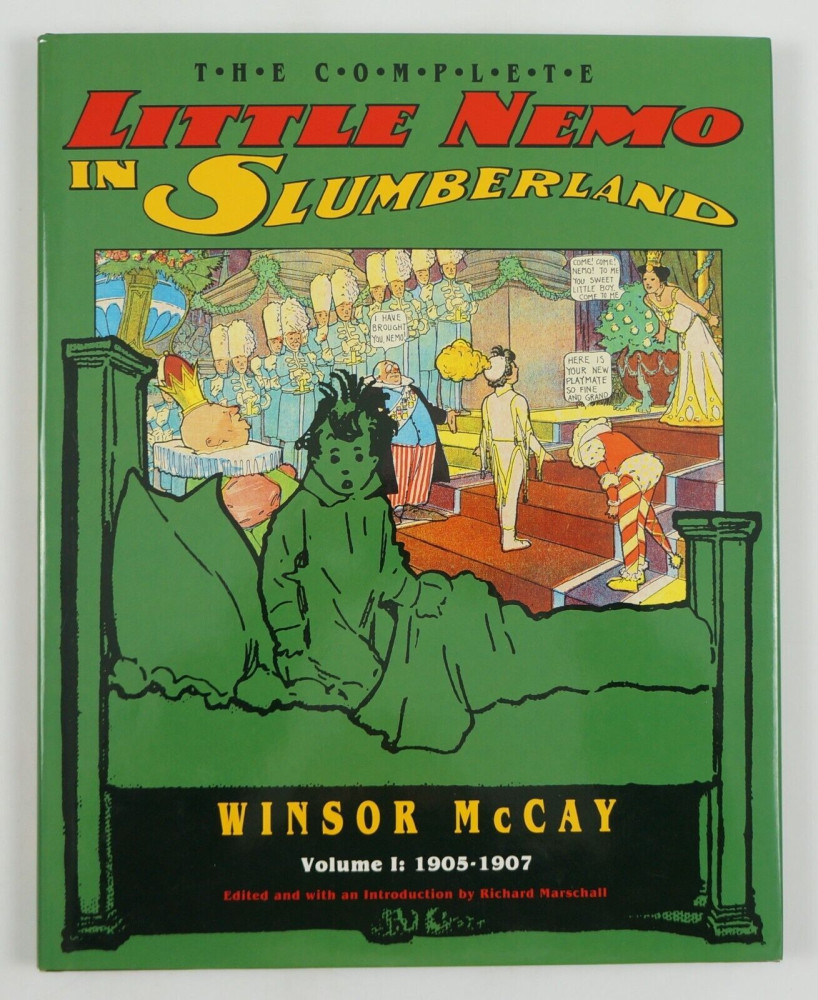
Winsor McCay. A cartoonist best known for a comic about a dreaming kid and a "live" interaction film he liked to play alongside an animated dinosaur names Gertie. He also did editorial cartoons and the chalk talks I despise so much on the vaudeville circuit
... Okay, I don't have THAT much animosity for the format of animation, but I really feel like the novelty of "watch a chalk drawing come to life" wears out it's welcome quickly.
Anyways.

Besides animated dinosaurs, self-financed animation films, and stints on the Vaudeville circuit, he also did wartime propaganda.
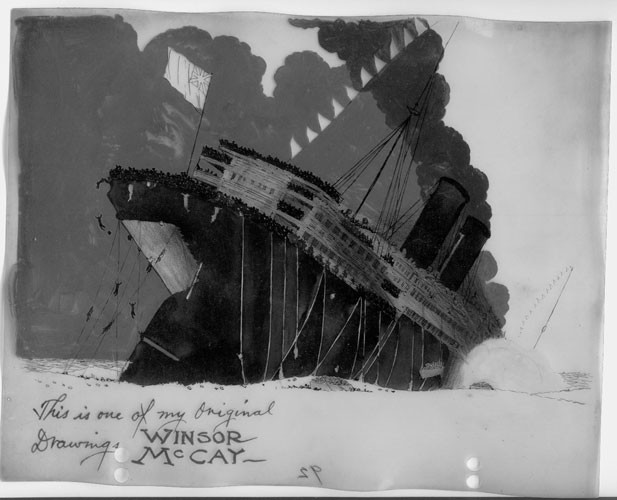
... Well, it was a dramatic animation of the Sinking of the Lusitania by the Germans in WW2, but it was still definitely propaganda. All publicly spoken political opinions are, in some form, propaganda after all.
But I digress.
He also pioneered techniques and practices such as 'tweening, cycling, and registration marks, that are still standard use today.
So, good on him, I suppose.
Moving on, Barre & Bray.
Largely considered two of the first major animation studios to produce, you know, cartoons.
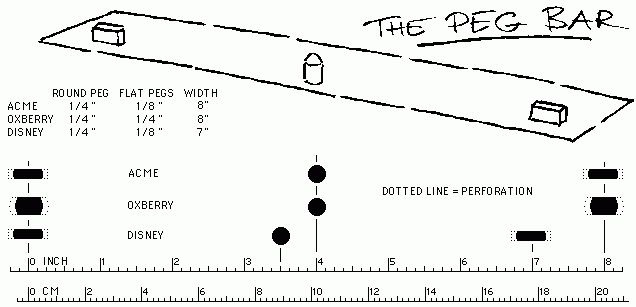
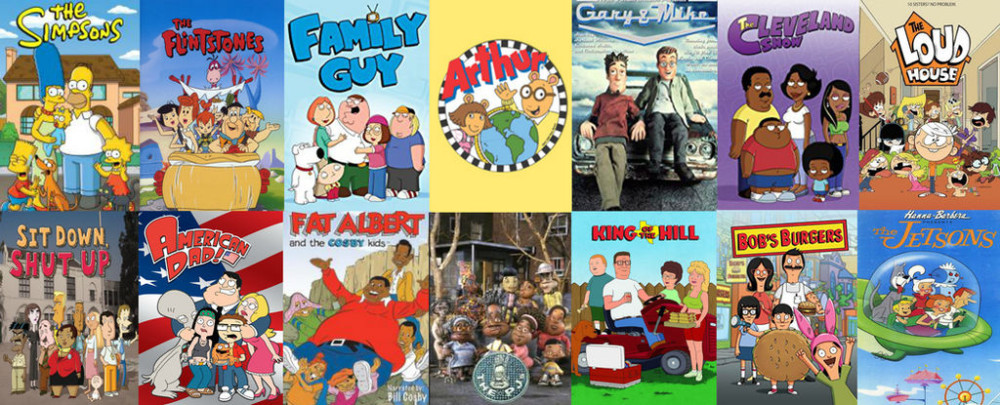
Barre was responsible for the peg bar, a nifty little way to help keep frames in order, and Bray was one of the first to focus on serialized animations instead of one-offs, so they're the ones to blame for the inevitability of (insert any cartoon sitcom you, the reader, might personally dislike here).
Bray also formerly employed two brothers, the Fleischer brothers, who would go on to found their own studio, Fleischer Studios.
The brothers, the Fleischer brothers, who owned that studio, Fleischer Studios, liked rotoscoping, which is the practice of filming a person doing the actions you want to draw, and then drawing or tracing the character you want to perform them on top of that, leading to smoother is slightly jarring animations.

Incredible.
Also, we have the first major cartoon "star", or what you might consider the first major cartoon character to become popular in his own right, Felix the Cat!

He was initially attributed to Pat Sullivan, but it turns out he was probably created by a guy named Otto Messmer.
Anyways, the early Felix the Cat cartoons didn't really have any precedent for what they could and couldn't animate, so some unusual topics such as sex and suicide were on the table as "punchlines".
... Which isn't great, but not as bad as Pat Sullivan himself, who was not only an abusive alcoholic, and apparently a noted racist, but also a convicted rapist.

... Yeah.
There is no punchline for that.
Dude kinda sucked.
Otto seemed to be an okay chap though, and continued working on Felix for the rest of his life, even as the character gradually faded out of the spotlight of public perception.
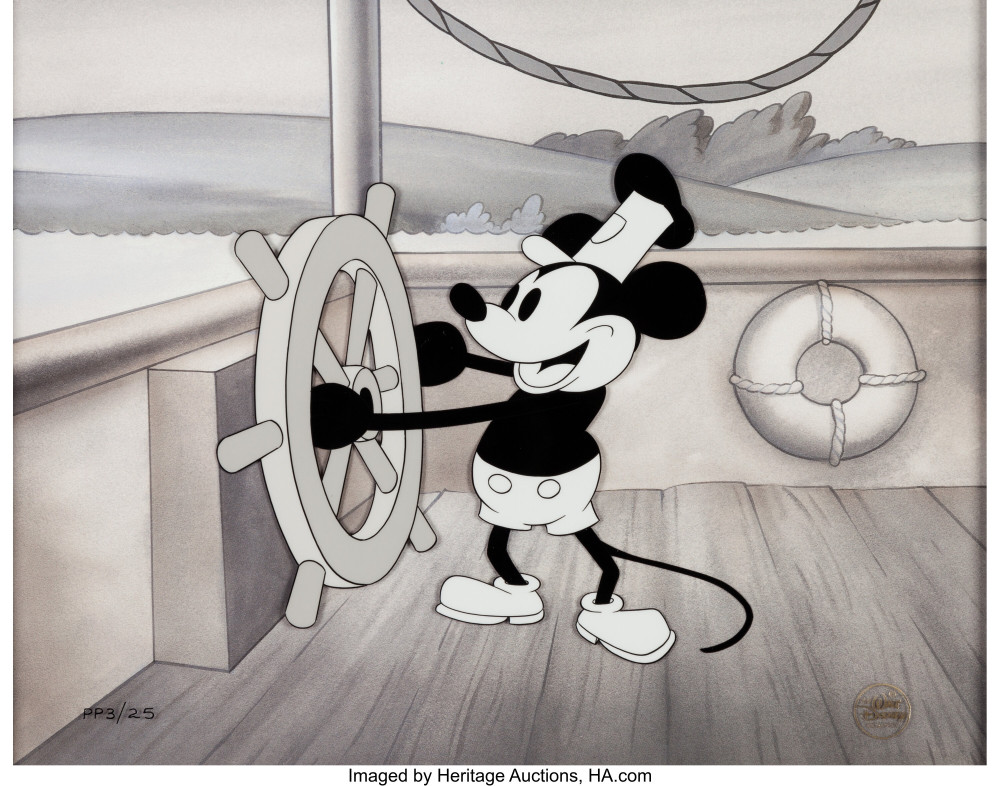
Anyways, despite Dreamworks having purchased the more modern rights to the character, early versions of Felix are public domain, if anyone feels like animating a WWE smackdown between the OG Cartoon Cat and Steamboat Willie.
... Ladislaw Starewicz reanimated bug corpses to make them fight and renact dramas for the amusement of the populace.
Via stop motion, mind you. But damn if that doesn't sound kinda metal anyways.
Anyways, he was an animator who was super into entomology. Also the first to animate a film with puppets. So, in a roundabout way, he's partly responsible for the Muppets, which makes him pretty okay in my book.
...
DANCE, MY UNDEAD SLAVES! DO YOUR LITTLE WAGGLING BUG DANCES FOR YOUR MASTER!!! MWAHAHAHAHA!!!
...
Sorry about that.
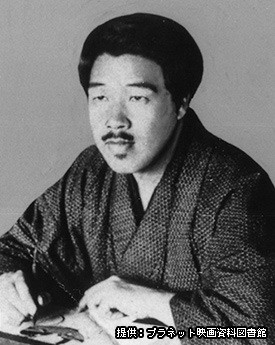
Kitayama Seitarō was responsible for one of the first commercial productions of anime in Japan, and he's credited as one of the fathers of Anime, so that's definitely at least partly his fault.
Quirino Cristiani was an Italian born Argentinian responsible for the world's first two animated feature films, as well as the first animated feature film with sound.
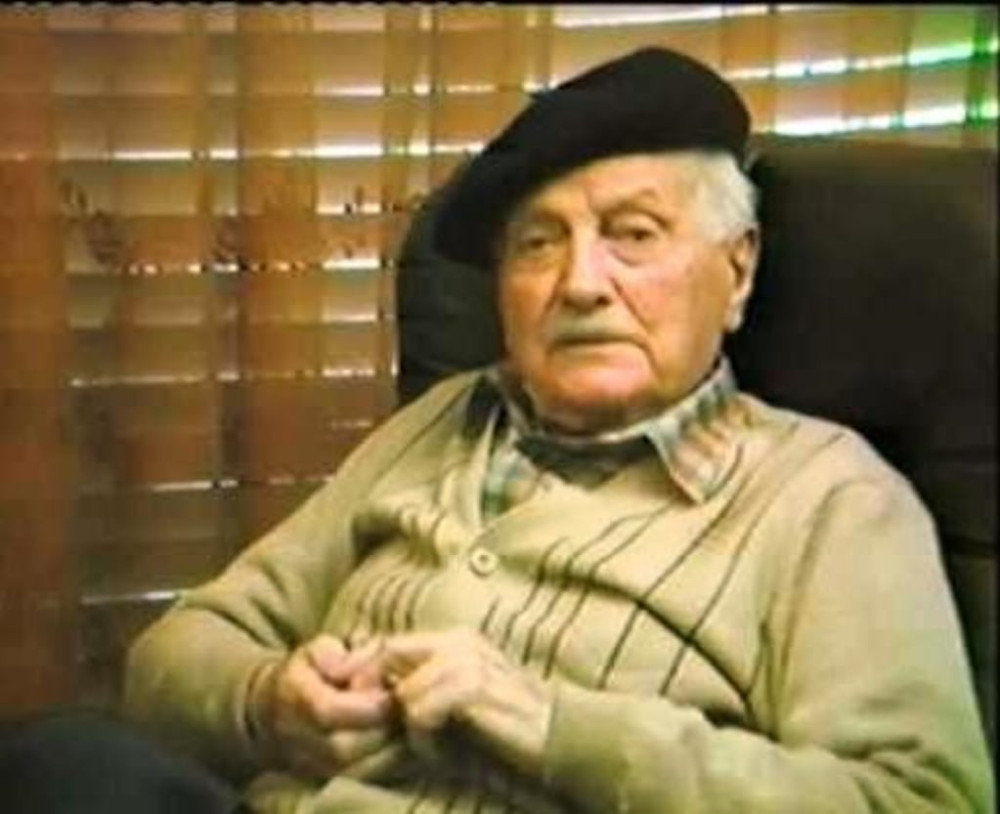
... All of which were promptly lost in a fire, as almost all early animation is wont to do.
He also used cardboard cutouts, for what that's worth.
So, that's a wrap on our recap of the 1910's-20's.
Insights...
I mean, this really feels like they were starting to kick things into gear. First studios, first cartoon star, first puppet animations, first criminal allegations...
Oh, yeah.
Forgot to mention that Bray (the man who opened and ran the studio was named after) was also a fairly underhanded individual who stole and patented techniques of other animators such as Winsor McCay himself, in one famous incident pretending to be a journalist to steal McCay's techniques.
Needless to say, he was controversial.
Where was I...?
Right, insights.
Uh...
I mean, what's there to say? It pretty clearly leads into the sort of stuff that comes next in a cohesive manner. That's how time works.
I guess this might have been kind of the start of the Wild West of Animation? They didn't exactly have rules, standards, or guidelines back then, so most of them were only just starting to experiment with the style, dipping their toes in, testing the waters, and finding their own unique directions and takes on the infinite possibilities within the medium.
Except for John Randolf Bray,
Bray really steals.
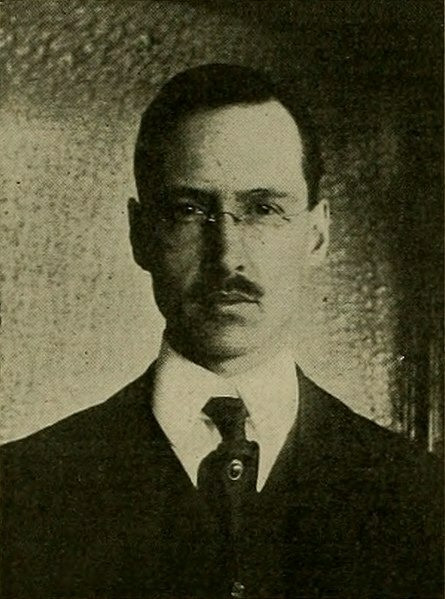
No dignity.
... See you next week.
Bye!