Animation Blog Week 2: The Tropes of 'Scopes
𝑰 𝒄𝒂𝒖𝒈𝒉𝒕 𝒊𝒏𝒔𝒐𝒎𝒏𝒊𝒂 𝒇𝒓𝒐𝒎 𝒍𝒐𝒐𝒌𝒊𝒏𝒈 𝒂𝒕 𝒕𝒉𝒆 𝒎𝒐𝒐𝒏, 𝑰 𝒇𝒐𝒖𝒏𝒅 𝒂 𝒑𝒊𝒄𝒕𝒖𝒓𝒆 𝒐𝒇 𝒂 𝒓𝒆𝒄𝒕𝒂𝒏𝒈𝒍𝒆 𝑰 𝒅𝒓𝒆𝒘, 𝑰 𝒂𝒎 𝒂𝒏 𝒂𝒍𝒕𝒐𝒈𝒆𝒕𝒉𝒆𝒓 𝒅𝒊𝒇𝒇𝒆𝒓𝒆𝒏𝒕 𝒎𝒂𝒏 𝒃𝒚 𝒅𝒂𝒚, 𝑰 𝒉𝒂𝒗𝒆 𝒕𝒉𝒆 𝒊𝒏𝒇𝒍𝒖𝒆𝒏𝒄𝒆 𝒕𝒐 𝒔𝒆𝒏𝒅 𝒕𝒉𝒂𝒕 𝒎𝒂𝒏 𝒇𝒂𝒓 𝒂𝒘𝒂𝒚... 𝑰 𝒉𝒂𝒗𝒆 𝒂 𝒗𝒊𝒔𝒊𝒐𝒏 𝒐𝒇 𝒂 𝒎𝒂𝒏-𝒎𝒂𝒅𝒆 𝒐𝒃𝒋𝒆𝒄𝒕. 𝑰 𝒉𝒂𝒗𝒆 𝒕𝒉𝒆 𝒎𝒐𝒏𝒆𝒚, 𝑰 𝒉𝒂𝒗𝒆 𝒕𝒉𝒆 𝒎𝒆𝒂𝒏𝒔, 𝑰 𝒉𝒂𝒗𝒆 𝒕𝒉𝒆 𝒔𝒕𝒓𝒂𝒏𝒈𝒆𝒔𝒕 𝒅𝒓𝒆𝒂𝒎𝒔...... And we're back.
Week 2 of animation blogging.
Hope you didn't summon up any reanimated spooks via illicit arcane imagery while I was gone.
I explicitly asked you not to.
We have officially moved past the dark ages (more or less literally) into the period of time when people were really first starting to "get" the ideas of moving pictures in general, leading to sort of a simultaneous dual development of both the first recorded animations and the first films.
So, it's time for a bazillion moving picture inventions that mostly end with "scope" (observation) or "trope" (turning direction), because that sounded more exciting and scientific to the people of the day than just giving these devices normal, everyday names. Like "Spinny Wheel No. 1", and "Spinny Wheel No. 2."
You'll see what I mean in a minute.
We've got the —
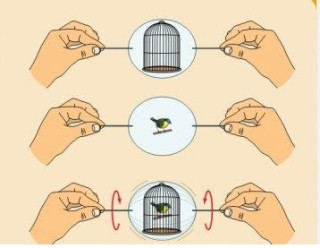
Thaumatrope: Which is pretty much a spinny disc optical toy that superimposes two images over when another when pulled. These have been around pretty much forever in some form or another. (Since caveman times. Pretty sure this was discussed in the last blog as well.)
Phenakistoscope: Another spinny disk, but providing a smooth animation around the edges when spun at sufficient velocity. This required some precision and a lot of careful frame redrawing, but this is actually pretty neat, all things considered.
Zoetropes: Spinny cylinders with view-slits that help break up the frames for a smoother illusion. Probably the best known to anyone who's been to a museum exhibit about this sort of stuff.
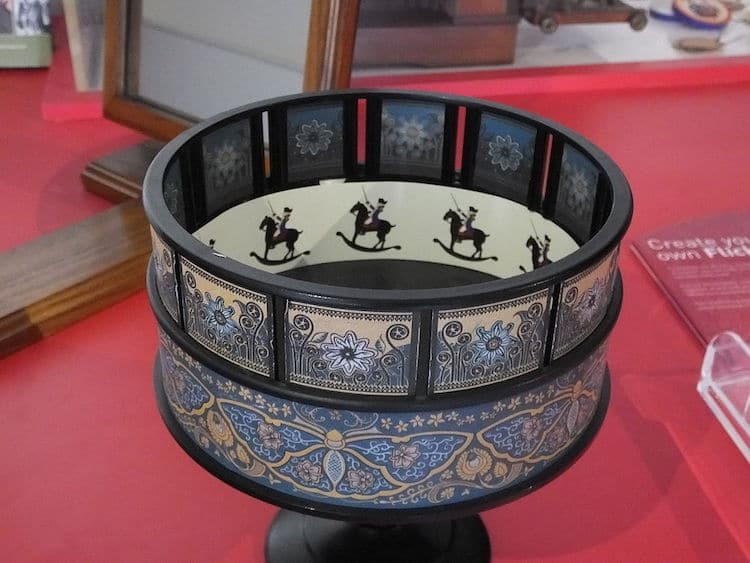
(This one's a modern 3D version using light flickers instead of the tube, because it's easier to see through a camera, and it also just looks really cool while demonstrating the same principles.)
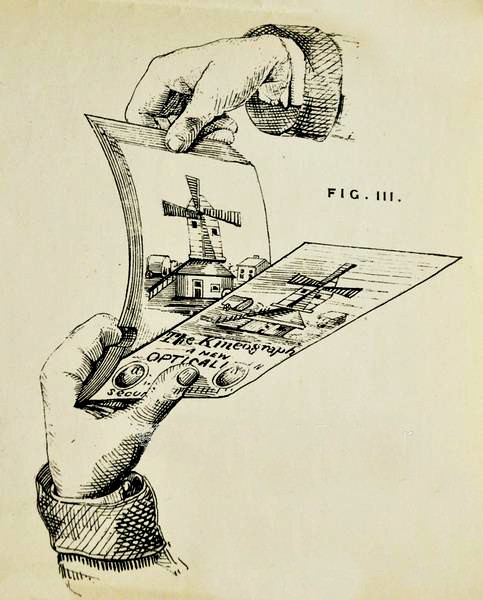
Flipbooks/Kineographs: Everyone just calls these flipbooks, but someone long ago marketed them as "Kineographs", so that's what we're stuck with scientifically speaking. Practically though, these are so cheap and relatively easy to produce once you know what you're doing, that you could probably make one right now if you could be bothered to do so. Anyways, cheap, efficient paper animation via sequential art. What's not to love?
Praxinoscope:

Hold your animated horses just a second there, buster... Back up.
... Are you trying to pull one over on me?
This is just the Zoetrope again, but with a lamp and a couple of mirrors.
Is this really a big enough improvement to qualify for a whole new name instead of just "Zoetrope 2.0"?
Seriously...?
Fine. Whatever. It's... Novel, I guess. But it really is fundamentally the same thing.
*sigh*.
Next...
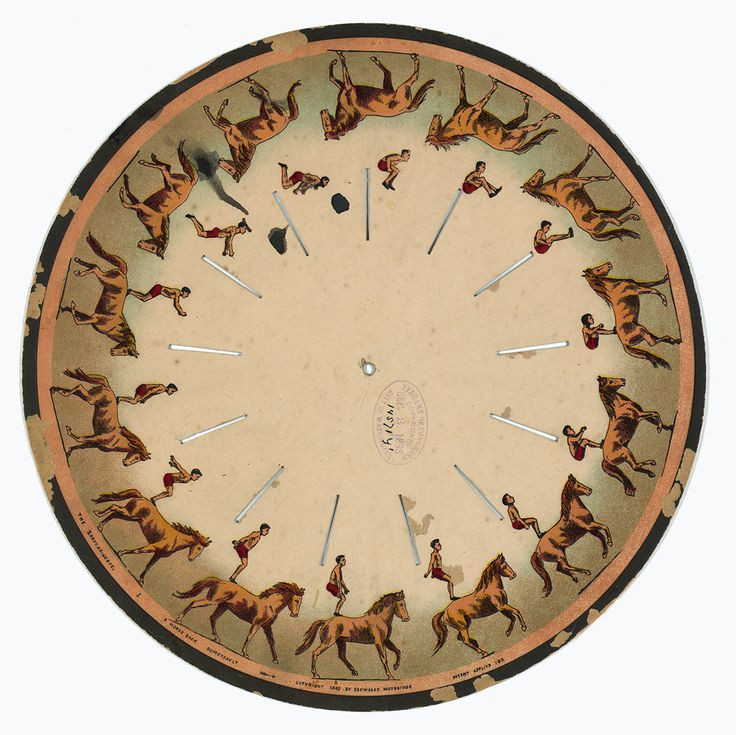
Zoopraxiscope:
... Seriously?
Goddammit.
This is just the Phenakistoscope again, but on glass.
Hold on. You're projecting the image now?
Okay, that's... That's something at least.
Definitely a step closer to a modern movie projector.
Time consuming as all heck to paint, though.
Especially since you have to distort the images to fit the curve of the wheel to make it project right.
But I digress.
Early animation with more than two frames?
Almost exclusively powered by spinning.
Sliding just doesn't work as well.
Anyways, once we develop the first rolls of camera film, and get the first proper movie cameras and projectors running, we're pretty much done talking about all of the above outside of hobby shops and novelty products.
A man photographs a horse for a bet to see if they really lift completely off the ground or not, and the film industry is born.
Well, started, at least.
But it's kind of strange just how often horses keep coming up in the subject of animation history.
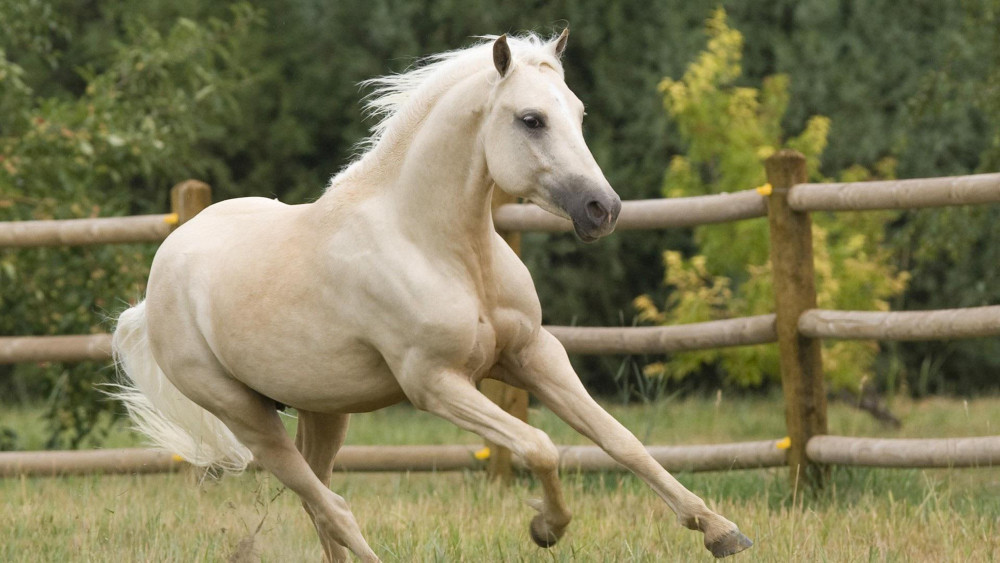
Maybe we'll look into that another time.
Anyways...
First films, silent films.
Let's just say that before the film camera/projector, the viewing experience wasn't great.
Literal peep show booths. Nothing necessarily scandalous, just... Standing and staring down into some binocular like devices
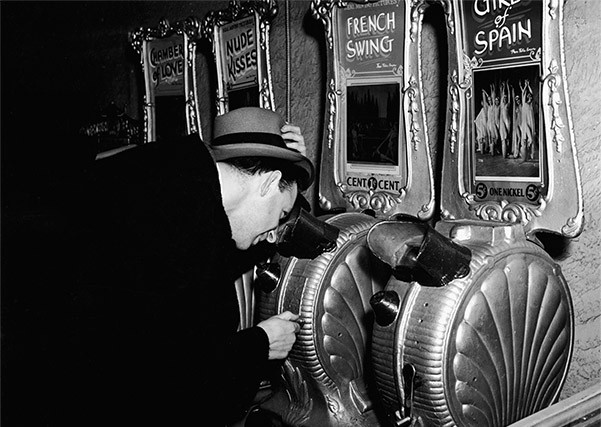
... Okay, this one is probably scandalous. But to be fair? The internet hadn't been invented yet.
Doesn't make this any less uncomfortable.
They had other ones that weren't like this.
Moving on...
You got the start of your classic silent films. Early ones included pretty basic animations and camera manipulation to do basic stop motion for "haunted house" type stuff, which got old pretty fast. But something that was really ahead of it's time and pulling numbers at the box office?
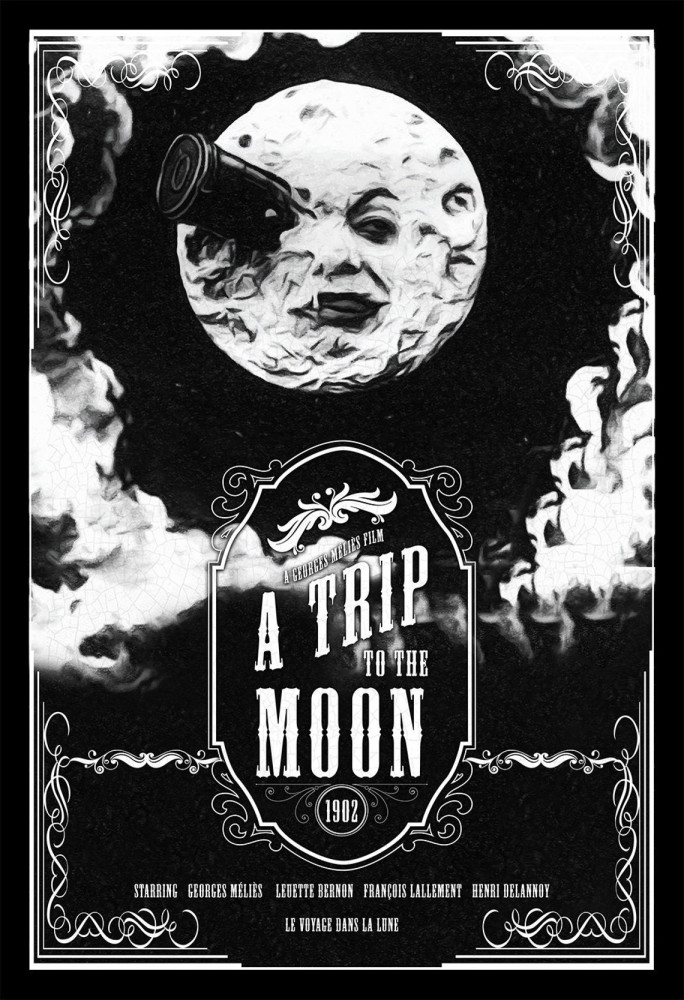
You bet your sweet behind you know this one.
And if you didn't...
You do now, sucker.
Georges Melies.
Known for "trick films", and pretty much considered the father of modern special effects, fantasy, and science fiction movies.
He did a lot of cool things besides the classic Moon Trip, which you should check out sometime.
Anyways, there were also some people playing around with straight up animation via chalkboards, but they slowly had to be weaned off the need for "context" as to why the images were doing the things they were doing.
Here's a more modern example, because in my opinion, the old ones are painfully dated, to say the least.
Mostly, I don't want to re-watch the hat booze cigar trick again.
This one actually has some pretty decent ideas going into the basic "chalk-talk" package, so hats off to Jesse - 2 Subscribers, from 10 years ago. I personally think you knocked it out of the park.
Anyways, we also talked a bit about Japanese Benshi narration in class, and how voice-over for foreign films made a couple of people kind of like early movie stars, but that's a bit of a tangent.
Animation wise...
There were definitely some developments and ideas here (some more impressive/innovative than others, Praxinoscope...) that eventually became pillars of both modern film-making and animation, and this really goes to show how inextricably interlinked these different forms of moving pictures are. With all of this plus the stuff about magic lanterns and phantasmagoria from last week, it's not too difficult to see how we got from this stage of early animation to more story driven endeavors and feature-length films in both animated and photo-realistic styles.
There's also an interesting split between the representation of life as-is for entertainment and practical purposes, such as the horse bet, and the fantasies brought to life through film and animation by minds like Georges Melies, the silent haunted-house movie animators, and the folks behind phantasmagoria shows.
Overall? I'm troping out, and overscoped.
Next week? More animation, more history.
'Till then, keep on spinning, and take things frame-by-frame until the camera tricks have got you looking picture-perfect.
Bye!